If you don’t know what emotional hygiene is, don’t worry; most people don’t!
Here’s a brief definition:
In much the same way that dental hygiene involves brushing our teeth
and flossing every day, and personal hygiene involves cleaning ourselves
and taking care of physical injuries when we sustain them, emotional hygiene refers to being mindful of our psychological health and adopting brief daily habits to monitor and address psychological wounds when we sustain them.
Currently, our general neglect of our emotional hygiene is profound.
How is it we spend more time each day taking care of our teeth than our
minds? We brush and floss but what daily activity do we do to maintain
our psychological health?
I would argue the consequences of lacking emotional hygiene are much
worse that lacking dental hygiene—after all, which would you rather
lose, a tooth or your mind?
Indeed, it seems that all our attention goes toward our physical health with none left over for our psychological
health. How many habits have you adopted and changed over the years to
better your physical health? All the constantly changing dietary
practices and exercise regimes; self-exams for breast or testicular
cancer; annual check-ups; physical therapies; and the many
over-the-counter remedies we use for aches and pains.
Now ask yourself what habits you’ve adopted to better your
psychological health: Do you monitor psychological injuries such as
failure or rejection when you sustain them, to make sure your self-esteem recovers and rebounds? Are you aware of the ways negative self-talk impacts your emotional resilience?
Do you know how to break out of a cycle of ruminating and brooding
about distressing events? Chances are the answer to these questions is
no.
To get you started, here are five tips for improving your emotional hygiene:
1. Pay Attention to Emotional Pain
If a physical ache or pain doesn’t get better in a few days, you
probably take some kind of action. The same should be true of
psychological pain. If you find yourself hurting emotionally for several
days because of a rejection, a failure, a bad mood, or any other
reason, it means you’ve sustained a psychological wound and you need to treat it with emotional-first-aid techniques.
2. Stop Emotional Bleeding
Many psychological wounds launch vicious cycles that only make the
pain worse. For example, failure can lead to a lack of confidence and
feelings of helplessness that only make you more likely to fail again in
the future. Having awareness of these consequences, catching these
negative cycles, and stopping your emotional bleeding by correcting them
is crucial in many such situations.
3. Protect Your Self-Esteem
Our self-esteem acts as an emotional immune system which can buffer us and lend us greater emotional resilience.
Therefore, we should get in the habit of monitoring our self-esteem,
boosting it when it is low, and avoiding negative self-talk of the kind
that damages it further.
4. Battle Negative Thinking
It is natural to think about distressing events, but when our
thinking becomes repetitive we are no longer problem-solving, we are ruminating.
Ruminating can be very costly to our psychological health, as well as
to our physical health, and can put us at risk for clinical depression and even cardiovascular disease. We have to battle negative thinking and avoid falling into the habit of over-focusing on distressing events.
5. Become Informed About the Impact of Psychological
Wounds
There is much more we need to learn about emotional hygiene and how
to treat psychological wounds.
Fortunately, much information is
available in this blog as well as elsewhere on Psychology Today.com. When
you learn how to treat psychological wounds—and teach your children how
to do so as well—you will not only build emotional resilience, you will
thrive.
Reference: by Guy Winch
Showing posts with label Mental Health Info. Show all posts
Sunday, May 31, 2015
Tuesday, February 25, 2014
How Stress Affects Mental Health
When someone is under chronic stress, it begins to negatively affect his
or her physical and mental health. The body’s stress response was not
made to be continuously engaged. Many people encounter stress from
multiple sources, including work; money, health, and relationship
worries; and media overload.
With so many sources of stress, it is difficult to find time to relax and disengage. This is why stress is one of the biggest health problems facing people today.
According to the American Psychological Association’s latest stress survey, 66 percent of people regularly experience physical symptoms of stress, and 63 percent experience psychological symptoms.
Previous research has found physical differences in the brains of people with stress disorders, such as post-traumatic stress disorder (PTSD), and those without. One of the main distinctions is that the ratio of the brain’s white matter to gray matter is higher in those with stress-related mental disorders compared to those without.
People who experience chronic stress have more white matter in some areas of the brain. The UC Berkeley study wanted to find out the underlying reason for this alteration in the brain composition.
White matter mostly is composed of axons, which form a network of fibers to connect the neurons. It is called white matter because of the white, fatty “sheath” of myelin coating that insulates the nerves and accelerates the transmission of the signals between the cells.
For this study, the researchers focused on the cells that produce myelin in the brain to see if they could find a connection between stress and the proportion of gray brain matter to white.
Hippocampus The researchers performed a series of experiments on adult rats, focusing on the hippocampus region of the brain (which regulates memory and emotions). During the experiments, they found the neural stem cells behaved differently than expected. Prior to this study, the general belief was that these stem cells would only become neurons or astrocyte cells, a type of glial cell. However, under stress, these cells became another type of glial cells, oligodendrocyte, which are the myelin-producing cells. These cells also help form the synapses, which are the communication tools that allow nerve cells to exchange information.
Thus, chronic stress causes more myelin-producing cells and fewer neurons. This disrupts the balance in the brain, causing communication in the brain cells to lose its normal timing, which could lead to problems.
Stress Disorders & Brain Connectivity
This might mean that people with stress disorders, such as PTSD, have alterations in their brain connectivity. This might lead to a stronger connection between the hippocampus and the amygdala (the area that processes the fight-or-flight response). It might also cause weaker connectivity between the hippocampus and the prefrontal cortex (the area that moderates the responses).
If the amygdala and hippocampus have a stronger connection, the response to fear is more rapid. If the connection between the prefrontal cortex and the hippocampus is weaker, then the ability to calm down and shut off the stress response is impaired. Therefore, in a stressful situation, a person with this imbalance will have a stronger response with a limited ability to shut down that response.
More research is required to verify these findings, including studying humans rather than rats, which the researchers have planned. However, this study provides important insight into why chronic stress affects the brain and mental health, and how early intervention can help prevent the development of certain mental health problems.
Reference by: Marissa Maldonado
With so many sources of stress, it is difficult to find time to relax and disengage. This is why stress is one of the biggest health problems facing people today.
Chronic Stress
Chronic stress increases the risk of developing health problems including obesity, diabetes, heart disease, cancer, and a weakened immune system. Chronic stress also affects a person’s mental health. Many studies show a correlation between stress and the development of mood disorders such as anxiety disorders and depression.According to the American Psychological Association’s latest stress survey, 66 percent of people regularly experience physical symptoms of stress, and 63 percent experience psychological symptoms.
Link between Stress & Mental Health
Although many studies have shown a link between stress and mental health problems, the reason behind this connection has remained unclear. Recent research from the University of California, Berkeley, has discovered new insight into why stress can be so detrimental to a person’s psyche.Previous research has found physical differences in the brains of people with stress disorders, such as post-traumatic stress disorder (PTSD), and those without. One of the main distinctions is that the ratio of the brain’s white matter to gray matter is higher in those with stress-related mental disorders compared to those without.
People who experience chronic stress have more white matter in some areas of the brain. The UC Berkeley study wanted to find out the underlying reason for this alteration in the brain composition.
Gray Matter
Gray matter in the brain is composed mainly of two types of cells: neurons, which process and store information, and glia, cells that support the neurons.White matter mostly is composed of axons, which form a network of fibers to connect the neurons. It is called white matter because of the white, fatty “sheath” of myelin coating that insulates the nerves and accelerates the transmission of the signals between the cells.
For this study, the researchers focused on the cells that produce myelin in the brain to see if they could find a connection between stress and the proportion of gray brain matter to white.
Hippocampus The researchers performed a series of experiments on adult rats, focusing on the hippocampus region of the brain (which regulates memory and emotions). During the experiments, they found the neural stem cells behaved differently than expected. Prior to this study, the general belief was that these stem cells would only become neurons or astrocyte cells, a type of glial cell. However, under stress, these cells became another type of glial cells, oligodendrocyte, which are the myelin-producing cells. These cells also help form the synapses, which are the communication tools that allow nerve cells to exchange information.
Thus, chronic stress causes more myelin-producing cells and fewer neurons. This disrupts the balance in the brain, causing communication in the brain cells to lose its normal timing, which could lead to problems.
Stress Disorders & Brain Connectivity
This might mean that people with stress disorders, such as PTSD, have alterations in their brain connectivity. This might lead to a stronger connection between the hippocampus and the amygdala (the area that processes the fight-or-flight response). It might also cause weaker connectivity between the hippocampus and the prefrontal cortex (the area that moderates the responses).
If the amygdala and hippocampus have a stronger connection, the response to fear is more rapid. If the connection between the prefrontal cortex and the hippocampus is weaker, then the ability to calm down and shut off the stress response is impaired. Therefore, in a stressful situation, a person with this imbalance will have a stronger response with a limited ability to shut down that response.
Oligodencdrocyte Cells
This study shows that the oligodendrocyte cells might play a key role in long-term changes to the brain that could lead to mental health problems. The researchers also believe that the stem cells which, due to chronic stress, are becoming myelin-producing cells rather than neurons, affect cognitive function, because it is the neurons that process and transmit the electrical information necessary for learning and memory skills.More research is required to verify these findings, including studying humans rather than rats, which the researchers have planned. However, this study provides important insight into why chronic stress affects the brain and mental health, and how early intervention can help prevent the development of certain mental health problems.
Reference by: Marissa Maldonado
Wednesday, September 4, 2013
Anxiety Disorders
Everybody knows what it's like to feel anxious -- the butterflies in
your stomach before a first date, the tension you feel when your boss is
angry, and the way your heart pounds if you're in danger. Anxiety
rouses you to action. It gears you up to face a threatening situation.
It makes you study harder for that exam, and keeps you on your toes when
you're making a speech. In general, it helps you cope.
But if you have an anxiety disorder , this normally helpful emotion can do just the opposite -- it can keep you from coping and can disrupt your daily life. There are several types of anxiety disorders, each with their own distinct features.
An anxiety disorder may make you feel anxious most of the time, without any apparent reason. Or the anxious feelings may be so uncomfortable that to avoid them you may stop some everyday activities. Or you may have occasional bouts of anxiety so intense they terrify and immobilize you.
Anxiety disorders are the most common of all the mental health disorders. Considered in the category of anxiety disorders are: Generalized Anxiety Disorder, Panic Disorder, Agoraphobia, Social Phobia, Obsessive Compulsive Disorder, Specific Phobia, Post-Traumatic Stress Disorder, and Acute Stress Disorder.
Anxiety disorders as a whole cost the United States between 42-46 billion dollars a year in direct and indirect healthcare costs, which is a third of the yearly total mental health bill of 148 billion dollars.
In the United States, social phobia is the most common anxiety disorder with approximately 5.3 million people per year suffering from it.
Approximately 5.2 million people per year suffer from post-traumatic stress disorder.
Estimates for panic disorder range between 3 to 6 million people per year, an anxiety disorder that twice as many women suffer from as men. Specific phobias affect more than 1 out of every 10 people with the prevalence for women being slightly higher than for men. Obsessive Compulsive disorder affects about every 2 to 3 people out of 100, with women and men being affected equally.
Many people still carry the misperception that anxiety disorders are a character flaw, a problem that happens because you are weak. They say, "Pull yourself up by your own bootstraps!" and "You just have a case of the nerves." Wishing the symptoms away does not work -- but there are treatments that can help.
Anxiety disorders and panic attacks are not signs of a character flaw. Most importantly, feeling anxious is not your fault. It is a serious mood disorder, which affects a person's ability to function in every day activities. It affects one's work, one's family, and one's social life.
Today, much more is known about the causes and treatment of this mental health problem. We know that there are biological and psychological components to every anxiety disorder and that the best form of treatment is a combination of cognitive-behavioral psychotherapy interventions. Depending upon the severity of the anxiety, medication is used in combination with psychotherapy. Contrary to the popular misconceptions about anxiety disorders today, it is not a purely biochemical or medical disorder.
There are as many potential causes of anxiety disorders as there are people who suffer from them. Family history and genetics play a part in the greater likelihood of someone getting an anxiety disorder in their lifetime. Increased stress and inadequate coping mechanisms to deal with that stress may also contribute to anxiety.
Anxiety symptoms can result from such a variety of factors including having had a traumatic experience, having to face major decisions in a one's life, or having developed a more fearful perspective on life. Anxiety caused by medications or substance or alcohol abuse is not typically recognized as an anxiety disorder.
We have developed the information here to act as a comprehensive guide to help you better understand anxiety disorders and find out more information about them on your own. Choose from among the categories at left to begin your journey into recovery from this treatable disorder.
Reference by: Mark Dombeck, Ph.D.
But if you have an anxiety disorder , this normally helpful emotion can do just the opposite -- it can keep you from coping and can disrupt your daily life. There are several types of anxiety disorders, each with their own distinct features.
An anxiety disorder may make you feel anxious most of the time, without any apparent reason. Or the anxious feelings may be so uncomfortable that to avoid them you may stop some everyday activities. Or you may have occasional bouts of anxiety so intense they terrify and immobilize you.
Anxiety disorders are the most common of all the mental health disorders. Considered in the category of anxiety disorders are: Generalized Anxiety Disorder, Panic Disorder, Agoraphobia, Social Phobia, Obsessive Compulsive Disorder, Specific Phobia, Post-Traumatic Stress Disorder, and Acute Stress Disorder.
Anxiety disorders as a whole cost the United States between 42-46 billion dollars a year in direct and indirect healthcare costs, which is a third of the yearly total mental health bill of 148 billion dollars.
In the United States, social phobia is the most common anxiety disorder with approximately 5.3 million people per year suffering from it.
Approximately 5.2 million people per year suffer from post-traumatic stress disorder.
Estimates for panic disorder range between 3 to 6 million people per year, an anxiety disorder that twice as many women suffer from as men. Specific phobias affect more than 1 out of every 10 people with the prevalence for women being slightly higher than for men. Obsessive Compulsive disorder affects about every 2 to 3 people out of 100, with women and men being affected equally.
Many people still carry the misperception that anxiety disorders are a character flaw, a problem that happens because you are weak. They say, "Pull yourself up by your own bootstraps!" and "You just have a case of the nerves." Wishing the symptoms away does not work -- but there are treatments that can help.
Anxiety disorders and panic attacks are not signs of a character flaw. Most importantly, feeling anxious is not your fault. It is a serious mood disorder, which affects a person's ability to function in every day activities. It affects one's work, one's family, and one's social life.
Today, much more is known about the causes and treatment of this mental health problem. We know that there are biological and psychological components to every anxiety disorder and that the best form of treatment is a combination of cognitive-behavioral psychotherapy interventions. Depending upon the severity of the anxiety, medication is used in combination with psychotherapy. Contrary to the popular misconceptions about anxiety disorders today, it is not a purely biochemical or medical disorder.
There are as many potential causes of anxiety disorders as there are people who suffer from them. Family history and genetics play a part in the greater likelihood of someone getting an anxiety disorder in their lifetime. Increased stress and inadequate coping mechanisms to deal with that stress may also contribute to anxiety.
Anxiety symptoms can result from such a variety of factors including having had a traumatic experience, having to face major decisions in a one's life, or having developed a more fearful perspective on life. Anxiety caused by medications or substance or alcohol abuse is not typically recognized as an anxiety disorder.
We have developed the information here to act as a comprehensive guide to help you better understand anxiety disorders and find out more information about them on your own. Choose from among the categories at left to begin your journey into recovery from this treatable disorder.
Reference by: Mark Dombeck, Ph.D.
Saturday, May 18, 2013
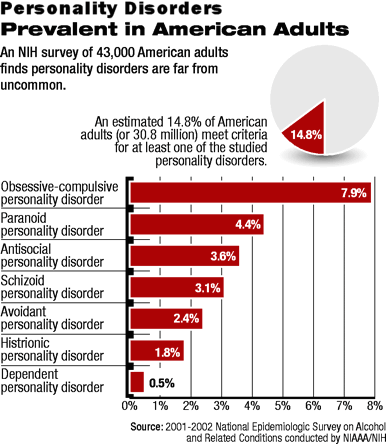
Antisocial Personality Disorder
Antisocial personality disorder is characterized by a long-standing pattern of a
disregard for other people's rights, often crossing the line and violating
those rights.
It usually begins in childhood or as a teen and continues into their adult lives.
Antisocial personality disorder is often referred to as psychopathy or sociopathy in popular culture.
Individuals with Antisocial Personality Disorder frequently lack empathy and tend to be callous, cynical, and contemptuous of the feelings, rights, and sufferings of others.
They may have an inflated and arrogant self-appraisal (e.g., feel that ordinary work is beneath them or lack a realistic concern about their current problems or their future) and may be excessively opinionated, self-assured, or cocky.
They may display a glib, superficial charm and can be quite voluble and verbally facile (e.g., using technical terms or jargon that might impress someone who is unfamiliar with the topic). Lack of empathy, inflated self-appraisal, and superficial charm are features that have been commonly included in traditional conceptions of psychopathy and may be particularly distinguishing of Antisocial Personality Disorder in prison or forensic settings where criminal, delinquent, or aggressive acts are likely to be nonspecific. These individuals may also be irresponsible and exploitative in their sexual relationships.
Antisocial personality disorder is more prevalent in males (3 percent) versus females (1 percent) in the general population.
Like most personality disorders, antisocial personality disorder typically will decrease in intensity with age, with many people experiencing few of the most extreme symptoms by the time they are in the 40s or 50s.
How is Antisocial Personality Disorder Diagnosed?
Personality disorders such as antisocial personality disorder are typically diagnosed by a trained mental health professional, such as a psychologist or psychiatrist. Family physicians and general practitioners are generally not trained or well-equipped to make this type of psychological diagnosis. So while you can initially consult a family physician about this problem, they should refer you to a mental health professional for diagnosis and treatment.
There are no laboratory, blood or genetic tests that are used to diagnose antisocial personality disorder.
Many people with antisocial personality disorder don't seek out treatment. People with personality disorders, in general, do not often seek out treatment until the disorder starts to significantly interfere or otherwise impact a person's life. This most often happens when a person's coping resources are stretched too thin to deal with stress or other life events.
A diagnosis for antisocial personality disorder is made by a mental health professional comparing your symptoms and life history with those listed here. They will make a determination whether your symptoms meet the criteria necessary for a personality disorder diagnosis.
This suggests that no single factor is responsible -- rather, it is the complex and likely intertwined nature of all three factors that are important. If a person has this personality disorder, research suggests that there is a slightly increased risk for this disorder to be "passed down" to their children.
Treatment of
Antisocial Personality Disorder
Treatment of antisocial personality disorder typically involves long-term psychotherapy with a therapist that has experience in treating this kind of personality disorder. Medications may also be prescribed to help with specific troubling and debilitating symptoms.
Antisocial personality disorder is often referred to as psychopathy or sociopathy in popular culture.
Individuals with Antisocial Personality Disorder frequently lack empathy and tend to be callous, cynical, and contemptuous of the feelings, rights, and sufferings of others.
They may have an inflated and arrogant self-appraisal (e.g., feel that ordinary work is beneath them or lack a realistic concern about their current problems or their future) and may be excessively opinionated, self-assured, or cocky.
They may display a glib, superficial charm and can be quite voluble and verbally facile (e.g., using technical terms or jargon that might impress someone who is unfamiliar with the topic). Lack of empathy, inflated self-appraisal, and superficial charm are features that have been commonly included in traditional conceptions of psychopathy and may be particularly distinguishing of Antisocial Personality Disorder in prison or forensic settings where criminal, delinquent, or aggressive acts are likely to be nonspecific. These individuals may also be irresponsible and exploitative in their sexual relationships.
Symptoms of Antisocial Personality Disorder
Antisocial personality disorder is diagnosed when a person's pattern of antisocial behavior has occurred since age 15 (although only adults 18 years or older can be diagnosed with this disorder) and consists of the majority of these symptoms:- Failure to conform to social norms with respect to lawful behaviors as indicated by repeatedly performing acts that are grounds for arrest
- Deceitfulness, as indicated by repeated lying, use of aliases, or conning others for personal profit or pleasure
- Impulsivity or failure to plan ahead
- Irritability and aggressiveness, as indicated by repeated physical fights or assaults
- Reckless disregard for safety of self or others
- Consistent irresponsibility, as indicated by repeated failure to sustain consistent work behavior or honor financial obligations
- Lack of remorse, as indicated by being indifferent to or rationalizing having hurt, mistreated, or stolen from another
Antisocial personality disorder is more prevalent in males (3 percent) versus females (1 percent) in the general population.
Like most personality disorders, antisocial personality disorder typically will decrease in intensity with age, with many people experiencing few of the most extreme symptoms by the time they are in the 40s or 50s.
How is Antisocial Personality Disorder Diagnosed?
Personality disorders such as antisocial personality disorder are typically diagnosed by a trained mental health professional, such as a psychologist or psychiatrist. Family physicians and general practitioners are generally not trained or well-equipped to make this type of psychological diagnosis. So while you can initially consult a family physician about this problem, they should refer you to a mental health professional for diagnosis and treatment.
There are no laboratory, blood or genetic tests that are used to diagnose antisocial personality disorder.
Many people with antisocial personality disorder don't seek out treatment. People with personality disorders, in general, do not often seek out treatment until the disorder starts to significantly interfere or otherwise impact a person's life. This most often happens when a person's coping resources are stretched too thin to deal with stress or other life events.
A diagnosis for antisocial personality disorder is made by a mental health professional comparing your symptoms and life history with those listed here. They will make a determination whether your symptoms meet the criteria necessary for a personality disorder diagnosis.
Causes of Antisocial Personality Disorder
Researchers today don't know what causes antisocial personality disorder. There are many theories, however, about the possible causes of antisocial personality disorder. Most professionals subscribe to a biopsychosocial model of causation -- that is, the causes of are likely due to biological and genetic factors, social factors (such as how a person interacts in their early development with their family and friends and other children), and psychological factors (the individual's personality and temperament, shaped by their environment and learned coping skills to deal with stress).This suggests that no single factor is responsible -- rather, it is the complex and likely intertwined nature of all three factors that are important. If a person has this personality disorder, research suggests that there is a slightly increased risk for this disorder to be "passed down" to their children.
Treatment of antisocial personality disorder typically involves long-term psychotherapy with a therapist that has experience in treating this kind of personality disorder. Medications may also be prescribed to help with specific troubling and debilitating symptoms.
Thursday, May 2, 2013
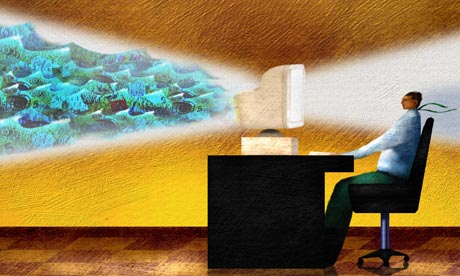
Internet and Computer Addiction
When you feel more comfortable with your online friends than your real ones, or you can’t stop yourself from playing games, gambling, or compulsively surfing—even when it has negative consequences in your life—then you may be using the Internet too much. Learn about the signs and symptoms of Internet addiction and how to balance your life online and off.
What is Internet addiction or computer addiction?
Internet Addiction, otherwise known as computer addiction, online addiction, or internet addiction disorder (IAD), covers a variety of impulse-control problems, including:
Cyber-sex Addiction compulsive use of Internet pornography, adult chat rooms, or adult fantasy role-play sites impacting negatively on real-life intimate relationships.
Cyber-Relationship Addiction
addiction to social networking, chat rooms, and messaging to the point where virtual, online friends become more important than real-life relationships with family and friends.
Net Compulsions such as compulsive online gaming, gambling, stock trading, or compulsive use of online auction sites such as eBay, often resulting in financial and job-related problems.
Information Overload compulsive
web surfing or database searching, leading to lower work productivity
and less social interaction with family and friends. Computer Addiction obsessive playing of off-line computer games, such as Solitaire or Minesweeper, or obsessive computer programming.
The most common of these Internet addictions are cyber-sex, online gambling, and cyber-relationship addiction.
Healthy vs. unhealthy Internet use
Each person’s Internet use is different.
You might need to use the Internet extensively for your work, for example, or you might rely heavily on social networking sites to keep in touch with faraway family and friends.
Spending a lot of time online only becomes a problem when it absorbs too much of your time, causing you to neglect your relationships, your work, school, or other important things in your life. If you keep repeating compulsive Internet behavior despite the negative consequences in your offline life, then it’s time to strike a new balance.
How do people become addicted to the Internet?
Many people turn to the Internet in order to manage unpleasant feelings such as stress, loneliness, depression, and anxiety.
When you have a bad day and are looking for a way to escape your problems or to quickly relieve stress or self-soothe, the Internet can be an easily accessible outlet.
Losing yourself online can temporarily make feelings such as loneliness, stress, anxiety, depression, and boredom evaporate into thin air. As much comfort as the Internet can provide, though, it’s important to remember that there are healthier (and more effective) ways to keep difficult feelings in check. These may include exercising, meditating, using sensory relaxation strategies, and practicing simple breathing exercises.
For many people, an important aspect of overcoming Internet and computer addiction is to find alternate ways to handle these difficult feelings. Even when your Internet use is back to healthy levels, the painful and unpleasant feelings that may have prompted you to engage in unhealthy Internet use in the past will remain.
So, it’s worth spending some time thinking about the different ways you intend to deal with stressful situations and the daily irritations that would normally have you logging on.
Risk factors for Internet addiction and computer addiction
You are at greater risk of Internet addiction if:
You suffer from anxiety:
You may use the Internet to distract yourself from your worries and fears. An anxiety disorder like obsessive-compulsive disorder may also contribute to excessive email checking and compulsive Internet use.
You are depressed:
The Internet can be an escape from feelings of depression, but too much time online can make things worse. Internet addiction further contributes to stress, isolation and loneliness.
You have any other addictions:
Many Internet addicts suffer from other addictions, such as drugs, alcohol, gambling, and sex.
You lack social support:
Internet addicts often use social networking sites, instant messaging, or online gaming as a safe way of establishing new relationships and more confidently relating to others.
You’re an unhappy teenager:
You might be wondering where you fit in and the Internet could feel more comfortable than real-life friends.
You are less mobile or socially active than you once were:
For example, you may be coping with a new disability that limits your ability to drive. Or you may be parenting very young children, which can make it hard to leave the house or connect with old friends.
You are stressed:
While some people use the Internet to relieve stress, it can have a counterproductive effect. The longer you spend online, the higher your stress levels will be.
Signs and symptoms of Internet addiction or computer addiction
Signs and symptoms of Internet addiction vary from person to person.
For example, there are no set hours per day or number of messages sent that indicate Internet addiction. But here are some general warning signs that your Internet use may have become a problem:
Losing track of time online:
Do you frequently find yourself on the Internet longer than you intended? Does a few minutes turn in to a few hours? Do you get irritated or cranky if your online time is interrupted?
Having trouble completing tasks at work or home:
Do you find laundry piling up and little food in the house for dinner because you’ve been busy online? Perhaps you find yourself working late more often because you can’t complete your work on time — then staying even longer when everyone else has gone home so you can use the Internet freely.
Isolation from family and friends:
Is your social life suffering because of all the time you spend online? Are you neglecting your family and friends? Do you feel like no one in your “real” life — even your spouse — understands you like your online friends?
Feeling guilty or defensive about your Internet use:
Are you sick of your spouse nagging you to get off the computer and spend time together? Do you hide your Internet use or lie to your boss and family about the amount of time you spend on the computer and what you do while you're online?
Feeling a sense of euphoria while involved in Internet activities:
Do you use the Internet as an outlet when stressed, sad, or for sexual gratification or excitement? Have you tried to limit your Internet time but failed?
Physical symptoms of Internet addiction
Internet or computer addiction can also cause physical discomfort such as:
--Carpal Tunnel Syndrome (pain and numbness in handsand wrists)
--Dry eyes or strained vision
--Back aches and neck aches; severe headaches
--Sleep disturbances
--Pronounced weight gain or weight loss
Self-help tips for breaking your Internet addiction
There are a number of steps you can take to get your Internet use under control. While you can initiate many of these yourself, it’s important you get some outside support as well. It can be all too easy to slip back into old patterns of usage, especially if you use the Internet heavily for work or other important activities.Recognize any underlying problems that may support your Internet addiction:
If you are struggling with depression, stress, or anxiety, for example, Internet addiction might be a way to self-soothe rocky moods. Have you had problems with alcohol or drugs in the past? Does anything about your Internet use remind you of how you used to drink or use drugs to numb yourself? Recognize if you need to address treatment in these areas or return to group support meetings.
Build your coping skills:
Perhaps blowing off steam on the Internet is your way of coping with stress or angry feelings. Or maybe you have trouble relating to others, or are excessively shy with people in real life. Building skills in these areas will help you weather the stresses and strains of daily life without resorting to compulsive Internet use.
Strengthen your support network:
The more relationships you have in real life, the less you will need the Internet for social interaction. Set aside dedicated time each week for friends and family. If you are shy, try finding common interest groups such as a sports team, education class, or book reading club. This allows you to interact with others and let relationships develop naturally.
Modify your Internet use step by step:
- To help you see problem areas, keep a log of how much you use the Internet for non-work or non-essential activities. Are there times of day that you use the Internet more? Are there triggers in your day that make you stay online for hours at a time when you only planned to stay for a few minutes?
- Set goals for when you can use the Internet. For example, you might try setting a timer, scheduling use for certain times of day, or making a commitment to turn off the computer, tablet, or smart phone at the same time each night. Or you could reward yourself with a certain amount of online time once you’ve completed a homework assignment or finished the laundry, for instance.
- Replace your Internet usage with healthy activities. If you are bored and lonely, resisting the urge to get back online can be very difficult. Have a plan for other ways to fill the time, such as going to lunch with a coworker, taking a class, or inviting a friend over.
Tips for dealing with Internet addiction:
- Ask yourself, “What am I missing out on when I spend so much time on the Internet?” Write down these activities and decrease your Internet time to pursue some of them.
- Set reasonable Internet use goals and stick to them. Take frequent breaks, at least 5 minutes each hour, and do some other activity.
- Alter your routine to break your usage patterns. If you spend evenings on the Internet, start limiting your use to mornings.
- Seek out friends and acquaintances who “couldn’t care less” about the Internet. Take time to appreciate the fact that all life is not yet online.
- Stay connected to the offline world. Visit newsstands, book and music stores, and participate in entertainment such as museums, music, and live theater. Novels and poetry readings are hard to experience online.
- Treat the Internet as a tool. Stay focused on the fact that the Internet is a means to an end. Plan your strategy—whether you’re looking for information or entertainment—with the end in mind and you’ll save valuable time.
Therapy and counseling for Internet addiction
Therapy can give you a tremendous boost in controlling Internet use. Cognitive Behavioral Therapy provides step-by-step ways to stop compulsive Internet behaviors and change your perceptions regarding Internet and computer use. Therapy can also help you learn healthier ways of coping with uncomfortable emotions, such as stress, anxiety, or depression.If your Internet use is affecting your partner directly, as with excessive cybersex or online affairs, marriage counseling can help you work through these challenging issues.
Marriage counseling can also help you reconnect with your partner if you have been using the Internet for most of your social needs. For help finding a therapist for Internet addiction, see Resources and References section below.
Helping a child or teen with an Internet addiction
It’s a fine line as a parent. If you severely limit a child or teen’s Internet use, they might rebel and go to excess. But you should monitor computer use, supervise computer activity, and get your child help if he or she needs it. If your child or teen is showing signs of Internet addiction, there are things that you can do to help:Encourage other interests and social activities:
Get your child out from behind the computer screen. Expose kids to other hobbies and activities, such as team sports, Scouts, and afterschool clubs.
Monitor computer use and set clear limits:
Restrict the use of computers, iPads, or smart phones to a common area of the house where you can keep an eye on your child's online activity, and limit time online. This will be most effective if you as parents follow suit. If you can’t stay offline, chances are your children won’t either.
Talk to your child about underlying issues:
Compulsive computer use can be the sign of deeper problems. Is your child having problems fitting in? Has there been a recent major change, like a move or divorce, which is causing stress?
Get help:
Teenagers often rebel against their parents but if they hear the same information from a different authority figure, they may be more inclined to listen. Try a sports coach, doctor, or respected family friend. Don’t be afraid to seek professional counseling if you are concerned about your child.

Source: http://www.helpguide.org
Subscribe to:
Posts (Atom)


.jpg)